

Review: 'Supergirl' Is at Its Best When It Trusts Its Female Leads

Supergirl gets the one thing right that matters most. It makes you care about Kara Zor-El. Most of that is Millie Alcock, who steps into the role like she's been living in it for years, and the rest is a story that remembers these are people first. If I had to put my finger on what separates the good parts of Supergirl from the frustrating ones, it's this: the movie soars every time it trusts it’s leading ladies to carry a scene, and it stumbles when it reaches for an alternative.
As we left her in Superman, Kara is a wreck. Her cousin never knew Krypton, but Kara grew up with a connection to it even though it was in the refugee city-planet of Argo. She knew her parents, her language, and a whole life intact before all of it was taken from her. So running away to find red-sun planets and drinking until the pain stops registering would be what a lot of grieving people do. While the Supergirl: Woman of Tomorrow limited series leaned into Kara’s depression on a more cerebral level, the film does a good job of explaining why she is acting the way she is. Anyone who read Tom King and Bilquis Evely's source material will appreciate how much this movie was inspired by their work, while newcomers won’t feel completely lost.
That is where Ruthye Marye Knoll, brilliantly played by Eve Ridley, finds her. She crashes Kara's birthday bender to announce that she's hunting the man who murdered her family. His name is Krem of the Yellow Hills (Matthias Schoenaerts), and Ruthye wants anyone’s help killing him while offering her dead father’s sword as a prize. Kara shows her first sign of being a hero when an alien bar patron attempts to steal the sword, but passes on helping Ruthye in her quest. However, Krem shows up at her ship and puts a slow-acting poison dart into Krypto, and just like that Kara needs an antidote as badly as Ruthye needs her revenge. The two are then on a trip across the galaxy to find Krem.
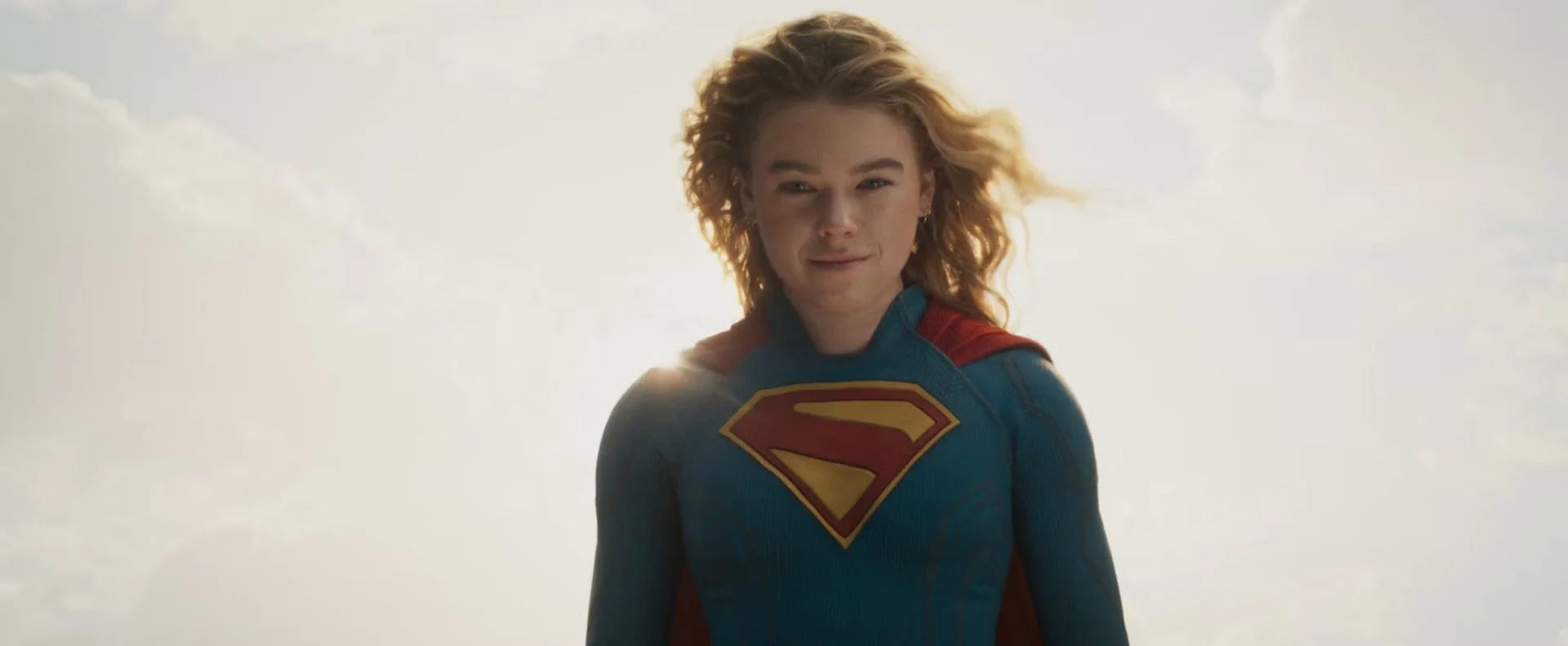
Alcock is far and away the best thing about this film. She nails the hard part, the way Kara can crush a starship hull and still look like she hasn't slept in a week. More than that, she's embodied the Kara from the page, the prickly, self-destructive woman King and Evely created, rather than the sunnier Supergirl most people carry around in their heads (I’m looking at you keyboard warriors). Whenever the movie lets her stay in that space, it's terrific.
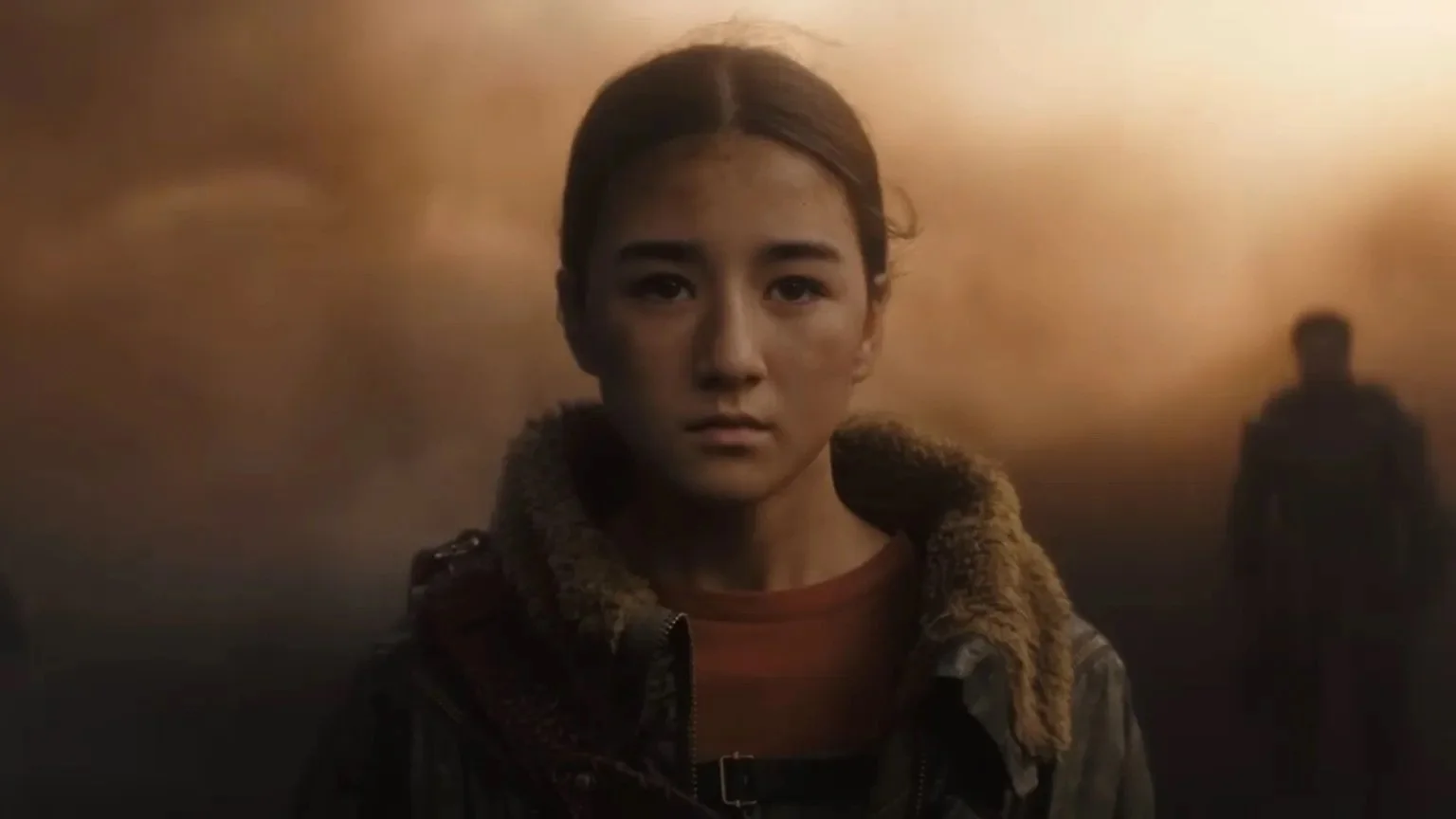
Eve Ridley is a discovery. Ruthye could so easily have been adapted for screen as the kid who tags along to give Kara someone to protect. Instead, she becomes the emotional engine of the entire film as a reflection that Kara can’t look away from. Ridley plays her with a grief that’s palpable, all resolve on the surface and something far more fragile underneath. The slow thaw between them, two people hauling around losses they don't know how to put down, is where Supergirl does its best work. It is a story about what it costs to let another person in, and both actors make you believe their pain.
On the craft side, the cinematography and set design make the visuals pop. Color palettes do a lot of heavy lifting too. The bar scenes are moody with pops of vibrant light that makes Kara's nights feel like a party she's hiding inside of, and that same energy follows her and Ruthye onto their Greyhound-esque intergalactic bus. On the final planet, the film builds a visual identity out of competing suns. Under the green sun everything takes on a sickly cast, which is also what drains Kara of her powers, and the instant the yellow sun rises the palette warms into a nourishing glow. The swing from the candy-colored chaos of her wandering to the controlled light of that last world is the kind of detail that can go unnoticed, but shows how much care was put into telling a visual story that matches the script.

The flashbacks used to tie Superman into the film are used effectively and sparingly enough to keep the focus on Kara. David Corenswet doesn’t show up to throw a punch. He's a family connection and a glimpse of the life waiting for Kara on Earth, the home she keeps refusing to claim. A scene of him welcoming her when she first lands does double duty, deepening her isolation and his decency in the same beat. (And yes, those dimples still get me.)
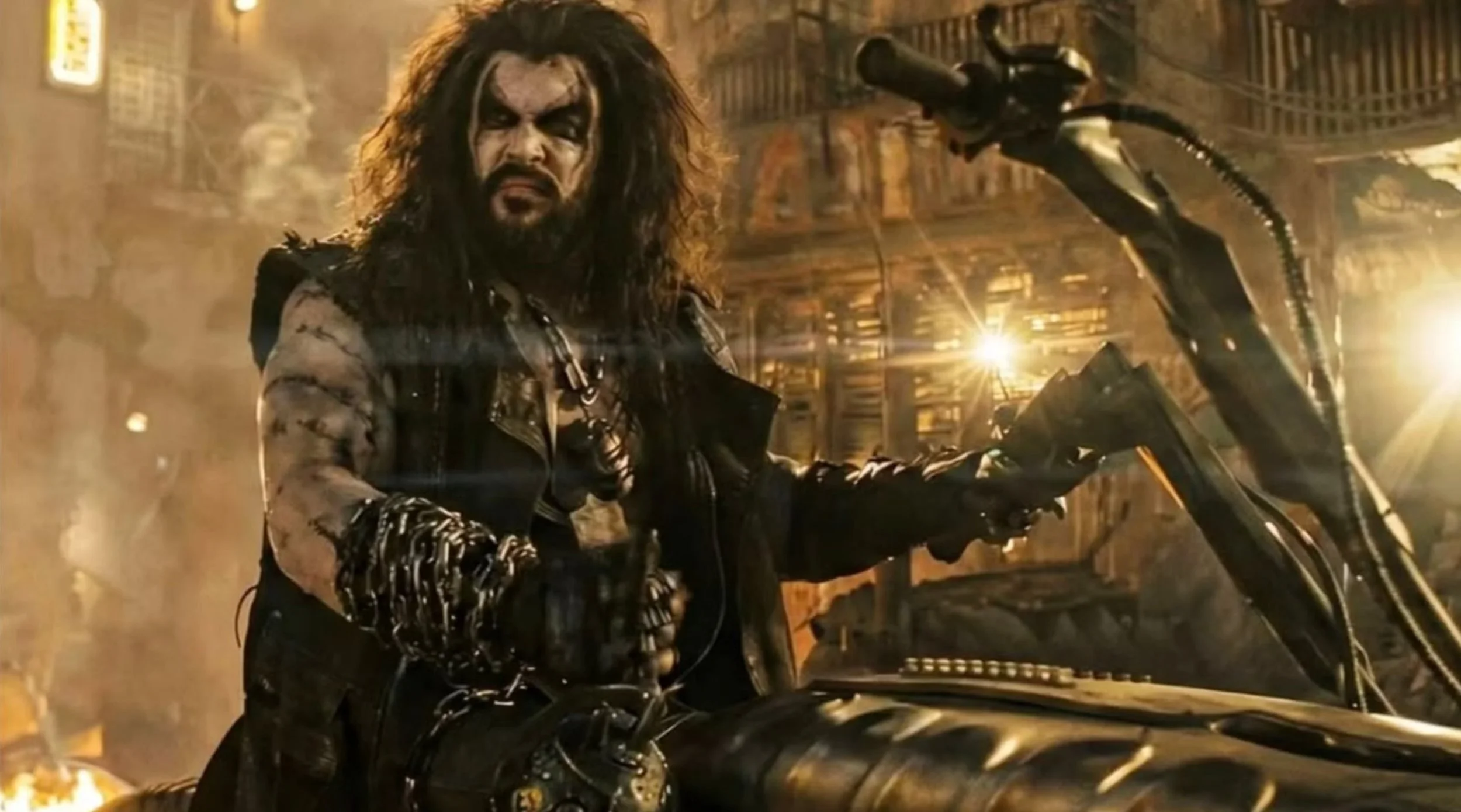
For everything the movie trusts, though, it lost me in a few spots. Jason Momoa's Lobo is the clearest case. I thought the casting was perfect on paper, but the character felt shoehorned in, like Momoa got into costume, wandered onto set one afternoon, and the crew scrambled to find room for him. He putters in and out of the story without ever landing the kind of comic book entrance a character like Lobo demands. The film never quite figures out why he's there other than to swoop in to save the day at the exact moments that could have further showcased Kara or Ruthye. As for the main villain Krem, he was never the most compelling figure in the comic, and while the movie adds some welcome subtext to his character, he still lands as a fairly substandard superhero-movie villain.
As I alluded to earlier, the comic let Kara's grief sit heavy and made her drinking feel like a real crutch she was using to climb out of herself. The movie gestures at all of that but holds it at arm's length, playing her constant motion as youthful recklessness rather than the self-erasure I took it as.
None of these sink the film, because the parts that work are the parts that count. When Supergirl lets Alcock and Ridley exist in a scene together, it becomes a tender movie about two wrecked, young women learning they’re worth saving. Kara doesn't have to rescue a galaxy, nor does Ruthie need to seek revenge.
Supergirl keeps James Gunn’s universe going while planting seeds I'm excited to watch pay off. The thread of a larger, connected DCU is here and the prospect of this Super family finally coming together in the films ahead has me more excited than anything inside this movie. Supergirl is a confident, character-first entry, and I'd tell anyone on the fence to go see it.
Rating: 3/5